Silver City Location: Why It Anchors Smart High-Rise Investment in 2026
Vertical living has arrived in the twin cities, and the Silver City location has become a focal point for investors who want to ride that shift in 2026. A prime address supports apartment towers, mixed-use blocks, and commercial floors precisely because it sits where people want to live and work. This article examines the location through an investor’s lens, with an emphasis on high-rise potential.
Rather than repeat generic selling points, we dig into the economics of vertical development: footfall, density, rental yield, and the road access that makes towers viable. If you think beyond single-storey homes, this guide is for you.
The Silver City Location as a Platform for Vertical Growth
High-rise projects only succeed where demand concentrates. A central, well-connected location delivers the footfall and tenant pool that apartment towers and commercial floors need to stay occupied.
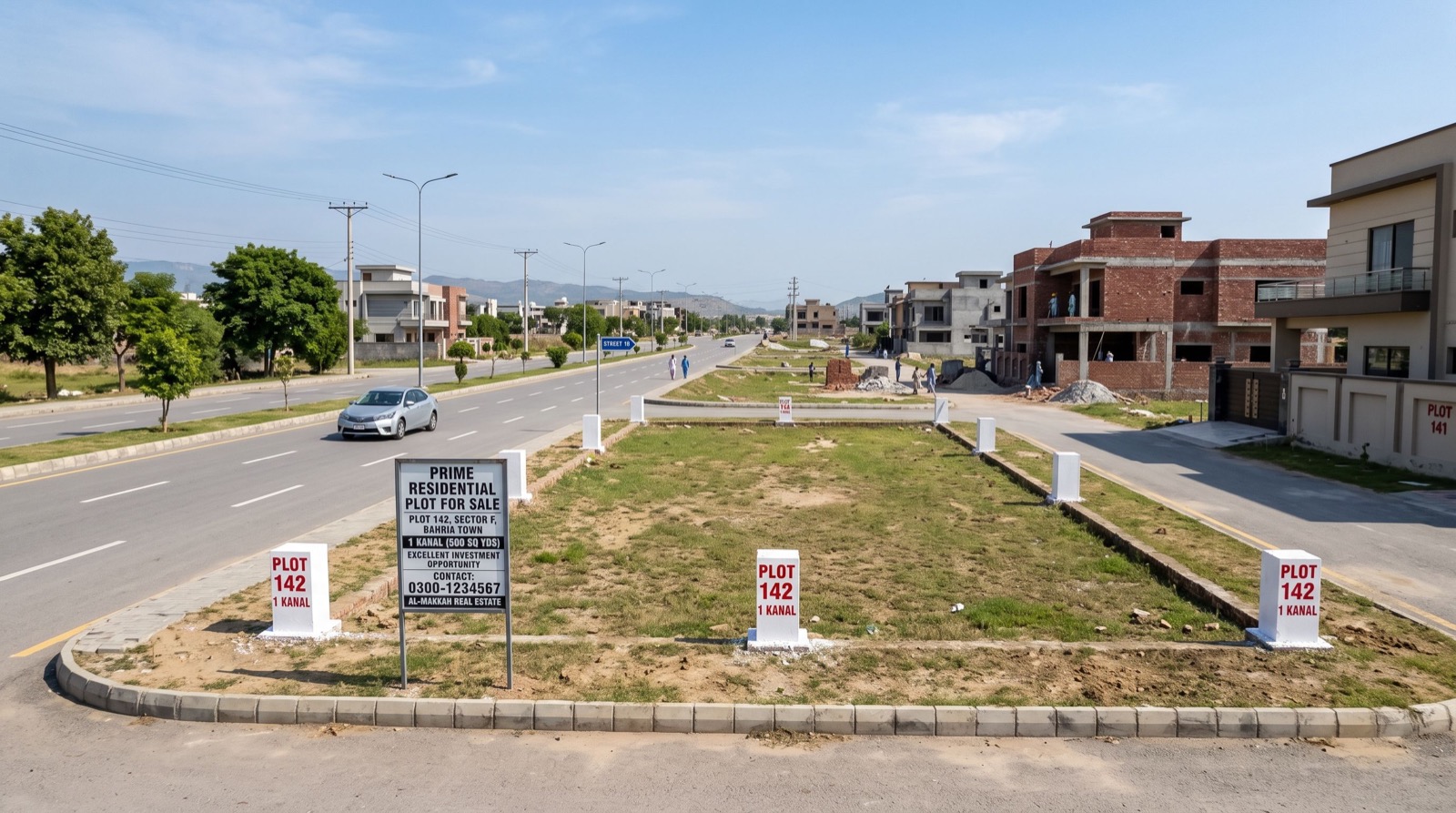
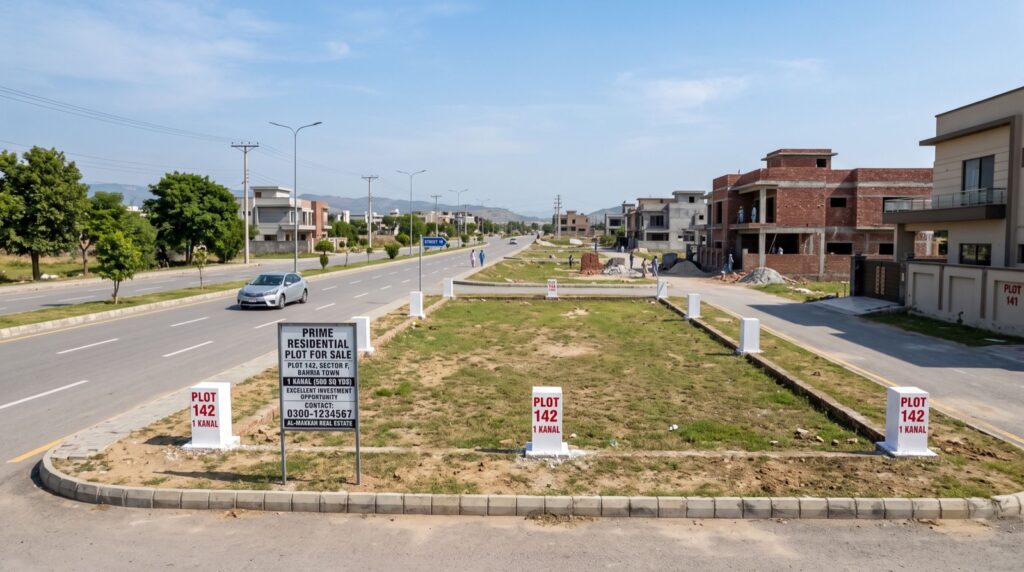
You can assess the surrounding road network and catchment area on the official Silver city location page, which shows how the development links to the broader twin-city corridor and its growing population base.
When access is strong, vertical density becomes an asset rather than a liability. More units per plot mean more rental income, provided the location can feed those units with residents and customers.
Think of a tower as a small vertical neighbourhood. Ground-floor retail serves the residents above, offices draw daytime visitors, and apartments house tenants who shop and dine nearby. A central location keeps that ecosystem busy around the clock, which is exactly what sustains strong rents.
Weak locations break this loop. Empty retail bays and half-let floors drag down the whole project, so the address you choose determines whether vertical density compounds returns or compounds problems.
Why High-Rise Plots Change the Investment Math
Horizontal plots give you one home per parcel. Vertical plots multiply usable floor area, which transforms the return profile for serious investors.
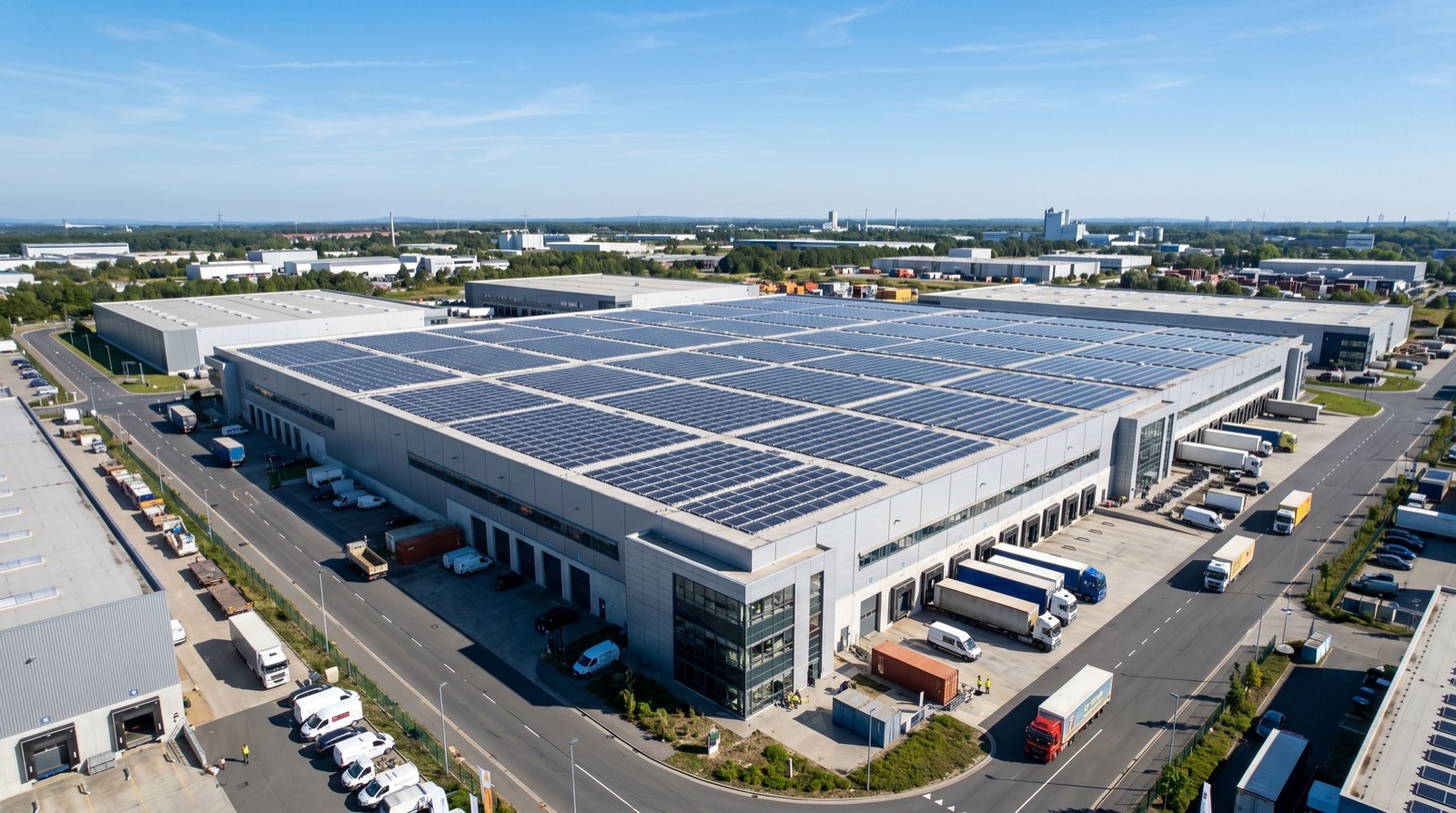
If you want to explore this model directly, review the High Rise Plots in Islamabad designed for apartment and mixed-use towers, where a single parcel can host dozens of income-generating units.
Developers also appreciate that vertical projects spread fixed land cost across many sellable units. When the land sits in a prime location, that efficiency compounds, because each unit commands a stronger price and leases with less effort. The result is a healthier margin and a faster return of capital.
The core advantages of a well-located high-rise plot include:
- Income multiplication: many rental units stacked on one footprint.
- Commercial synergy: ground-floor retail feeding off resident and visitor traffic.
- Land efficiency: higher returns per marla than single-storey use.
- Diversified tenancy: residential and commercial income under one roof.
- Inflation hedge: rents reset upward over time while land scarcity supports value.
These advantages only materialise with disciplined execution. A tower demands professional management, from leasing and maintenance to service charges, so budget for operations as carefully as you budget for construction. Well-run buildings retain tenants and protect their premium for years.
What Returns Can Investors Expect From Location-Led High-Rise Projects?
Returns hinge on occupancy, which hinges on location. The table below contrasts a well-connected high-rise plot with a poorly located one to show how access reshapes the numbers.
| Metric | Prime Location | Weak Location |
|---|---|---|
| Occupancy rate | High and stable | Low and volatile |
| Rental yield | Strong | Below market |
| Commercial demand | Consistent footfall | Sparse traffic |
| Capital appreciation | Steady upward | Flat or slow |
| Exit liquidity | Fast resale | Long holding period |
The lesson is simple: a cheaper plot in a weak location often costs more over time through empty units and slow resale. Location pays for itself.
Run the full-cycle numbers, not just the entry price. Factor in construction cost per floor, expected occupancy, maintenance, and the holding period before resale. A prime-location plot that commands higher rent and sells quickly almost always wins on total return, even when its headline price looks steep at purchase.
A Framework for Evaluating a High-Rise Opportunity
Before committing capital to a vertical project, I run through a disciplined checklist built from twin-city experience.
- Confirm zoning: verify the plot permits high-rise and mixed-use construction.
- Measure the catchment: estimate the population and businesses within a short drive.
- Test access: ensure roads can handle the traffic a tower generates.
- Model the yield: project rental income against construction and holding costs.
- Plan the exit: decide whether you will hold for rent or sell completed units.
Handling compliance, documentation, and financial modelling is easier with reliable local experts who understand both the regulatory and the market side of vertical projects.
Building Safely and to Standard
High-rise construction demands rigorous engineering, especially for seismic resilience. Following international building-safety guidance protects both occupants and your investment. The U.S. Geological Survey publishes earthquake-hazard data that informs responsible structural design in active regions.
Insist on certified engineers, approved structural drawings, and quality materials. A tower that cuts corners on safety destroys value and endangers lives.
Buyers and tenants increasingly ask about safety credentials before they sign. A building with documented structural certification, fire provisions, and proper lifts commands a premium and leases faster. In 2026, safety has become a marketing advantage, not just a legal box to tick.
One final insight: phase your capital. Rather than sinking everything into a single large tower, experienced investors often stagger construction or syndicate the project. Phasing reduces exposure, lets you test demand floor by floor, and keeps cash available if the market shifts mid-build.
Frequently Asked Questions
Why does location matter more for high-rise than for houses?
High-rise projects need high occupancy across many units to justify the build. A prime location supplies the residents and commercial footfall that keep those units full, which single homes do not depend on as heavily.
Are high-rise plots a good 2026 investment?
Yes, when the location is strong and zoning permits vertical use. The income-multiplication effect and commercial synergy can outperform traditional plots, provided you model occupancy realistically.
How do I confirm a plot allows high-rise construction?
Check the society’s approved master plan and zoning rules, and confirm permissible floor count with the development authority. Never assume vertical rights without written confirmation.
What is the biggest risk with high-rise investment?
Low occupancy is the main risk, and it usually traces back to a weak location or oversupply. Mitigate it by choosing a connected, high-demand address and a credible developer.
Conclusion
The Silver City location offers more than a place to live; it offers a platform for vertical investment that can multiply returns in 2026. Verify the zoning, measure the catchment, and model the yield before you commit. Match a prime location with disciplined analysis, and high-rise plots can become one of the strongest assets in your portfolio. Review the official location map and begin your due diligence today.